
Ethiopia Asikana
Coffee was born in the forests of western Ethiopia, and in a few places it still grows the old way: under a tall, tangled canopy of native trees, alive with birdsong. Asikana is one of those places. This is the story of the farm behind our Ethiopia, the people who built it, the importer who helped bring it to us, and the birds that live among the coffee.
Ethiopia is on sale through September 30. If you have been curious about a jammy, fruit-forward natural, this is the month to try it. Shop Ethiopia Bird Friendly® Coffee
"We start from here"
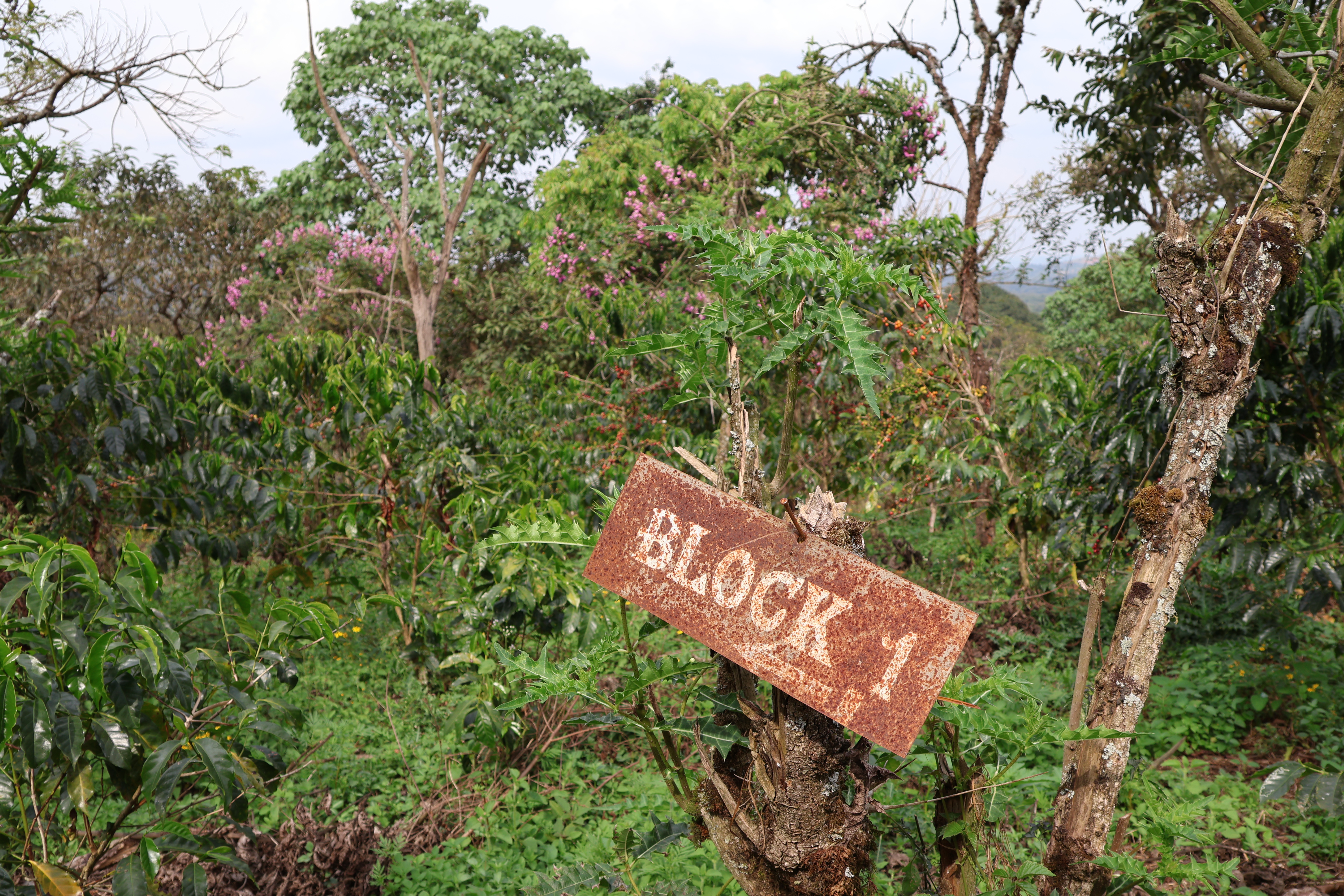
Asikana means "we start from here" in Afaan Oromo, and the name is a statement of purpose. The company was founded by Bodja Gelalcha, whose family has lived in the Aira district of West Welega, in Ethiopia's Oromia region, for more than two hundred years. Bodja was the eldest son of a coffee farmer. He left for school, earned a master's degree in development studies, and spent years working on development projects before coming home with a simple idea: the best way to raise living standards in his community was to help its farmers grow coffee good enough to compete on the world market.
Today the Buri farm sits about 500 kilometers west of Addis Ababa, at 1,500 to 1,700 meters above sea level. Asikana holds roughly 200 hectares there, and a large share of it is left as wild forest rather than planted. Beyond its own land, Asikana runs an outgrower program that supports more than 500 neighboring smallholder families, with training in organic growing and quality control. The farm also keeps bees. Honey is a second income for the community, and the bees help pollinate the coffee flowers.
From Aira to the Pacific Northwest
We buy this coffee through San Cristobal Coffee Importers, a green coffee importer based in Kirkland, Washington, not far from us. San Cristobal has worked with smallholder growers in Nayarit, Mexico since the 1990s, and over those decades built a quality and traceability system called FincaLab®: a portable lab with a sample roaster and cupping station, plus software that tracks every lot from the farm onward.
The connection to Ethiopia began with an internship. In 2019, Asikana sent a young quality manager named Mengistu Itefa to San Cristobal's operation in Nayarit for five months, where he worked the harvest, the wet mills, and the cupping lab. He helped translate the FincaLab® materials into Afaan Oromo, then went home and built a cupping lab in the town of Aira. In 2020, San Cristobal bought its first container from Asikana. According to San Cristobal, it was the first container ever exported from Ethiopia with fully traceable, barcoded bag tags carrying serial numbers.
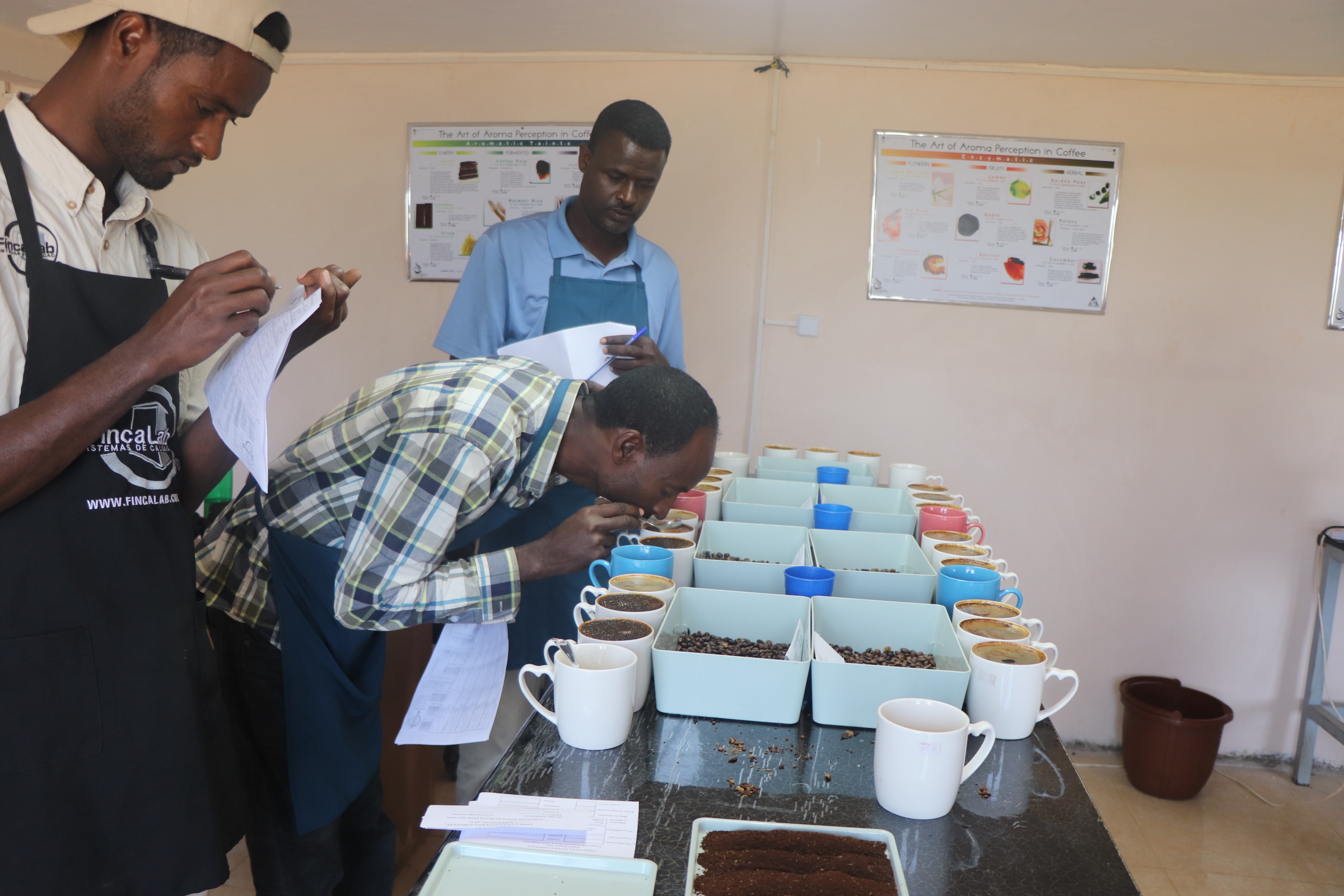
That traceability matters to us. It means we know which community our coffee came from, how it was processed, and that the premium paid for Bird Friendly® coffee actually reaches the people growing it. The relationship has only deepened since: San Cristobal's founder, Jim Kosalos, visited Asikana in 2025, and the 2026 crop is already drying on the beds in Aira.
What Bird Friendly® means on the ground
"Shade grown" has no legal definition. It can describe a real forest, or a few banana plants over a field of coffee. Smithsonian Bird Friendly® certification, created by scientists at the Smithsonian Migratory Bird Center, is the strictest shade standard in coffee. Every certified farm has to be certified organic first, and then its canopy has to meet habitat criteria in the field:
- At least ten species of shade trees
- Three distinct layers of canopy
- At least 40 percent shade cover
- Trees reaching 12 meters (about 40 feet) or taller
Asikana joined the program in 2020. By the Smithsonian's count, the Buri farm and its growers now protect about 1,484 hectares of Bird Friendly® habitat, farmed by 589 certified growers.
"The existence of birds in the coffee farm shows there is peace and biodiversity."
Mengistu Itefa, Asikana Coffee, speaking to the Smithsonian Migratory Bird Center
Mengistu has also described what the birds do for the farm: they eat the insects and worms that damage coffee plants, they carry the seeds of the shade trees, and their presence is a sign that no chemicals are being used in the fields. And, he adds, the farmers simply enjoy having them around.
The birds of Asikana
Ethiopian shade coffee is not an imitation of forest. In much of the southwest and west of the country, coffee is still grown inside, or at the edge of, the native montane forest where wild Arabica evolved. That makes these farms unusually valuable habitat.
White-cheeked Turaco
The bird on our Ethiopia bag is the White-cheeked Turaco (Menelikornis leucotis), a fruit-eating bird of the highland forests of Ethiopia and its neighbors, including the shaded landscapes where Asikana grows coffee. Perched in the canopy it looks mostly green, with a neat white cheek patch and a red ring around the eye. The moment it flies, it flashes brilliant crimson wings.
Both colors are rare in the bird world. Most green feathers are an optical trick, yellow pigment layered over blue structural color. Turaco green is different: it comes from turacoverdin, a copper-based pigment found only in turacos, which makes it one of the very few true green pigments in birds. The red in the wings comes from a second copper pigment called turacin. Turacos also do real work in the forest. By swallowing fruit whole and passing the seeds, they spread native trees across the landscape, including the very trees that shade the coffee.
Silvery-cheeked Hornbill
The Smithsonian's featured bird for the Buri farm is the Silvery-cheeked Hornbill (Bycanistes brevis), a large, loud forest hornbill of eastern Africa with an enormous pale casque on its bill. Its nesting habits explain why tall trees matter so much. The female seals herself inside a tree cavity with her eggs, leaving only a narrow slit, and the male feeds her and the chicks through that opening until they are ready to leave. No big old trees, no nest holes, no hornbills. It is exactly the kind of structure the Bird Friendly® canopy rules exist to protect.
Winter visitors and forest specialists
The science on Ethiopian coffee forests is striking. A 2015 study led by Evan Buechley and Çağan Şekercioğlu mist-netted birds at shade coffee farms and nearby primary forest in Ethiopia over three years. The shade coffee sites held more than double the species richness of the forest sites, and every species recorded in the primary forest was also found in the coffee. Nearly all of the migratory species that breed in Europe and western Asia and winter in Ethiopia turned up only in the shade coffee. The authors concluded that Ethiopian shade coffee may be the most bird-friendly coffee in the world.
There was an important catch. Forest specialists, especially the insect-eating birds of the dark understory, were far more abundant in intact forest than in coffee. Shade coffee is excellent habitat, but it does not replace real forest. That is why we love that Asikana leaves so much of Buri as wild forest alongside its coffee. The farm and the forest work together, and the birds need both.
In the cup
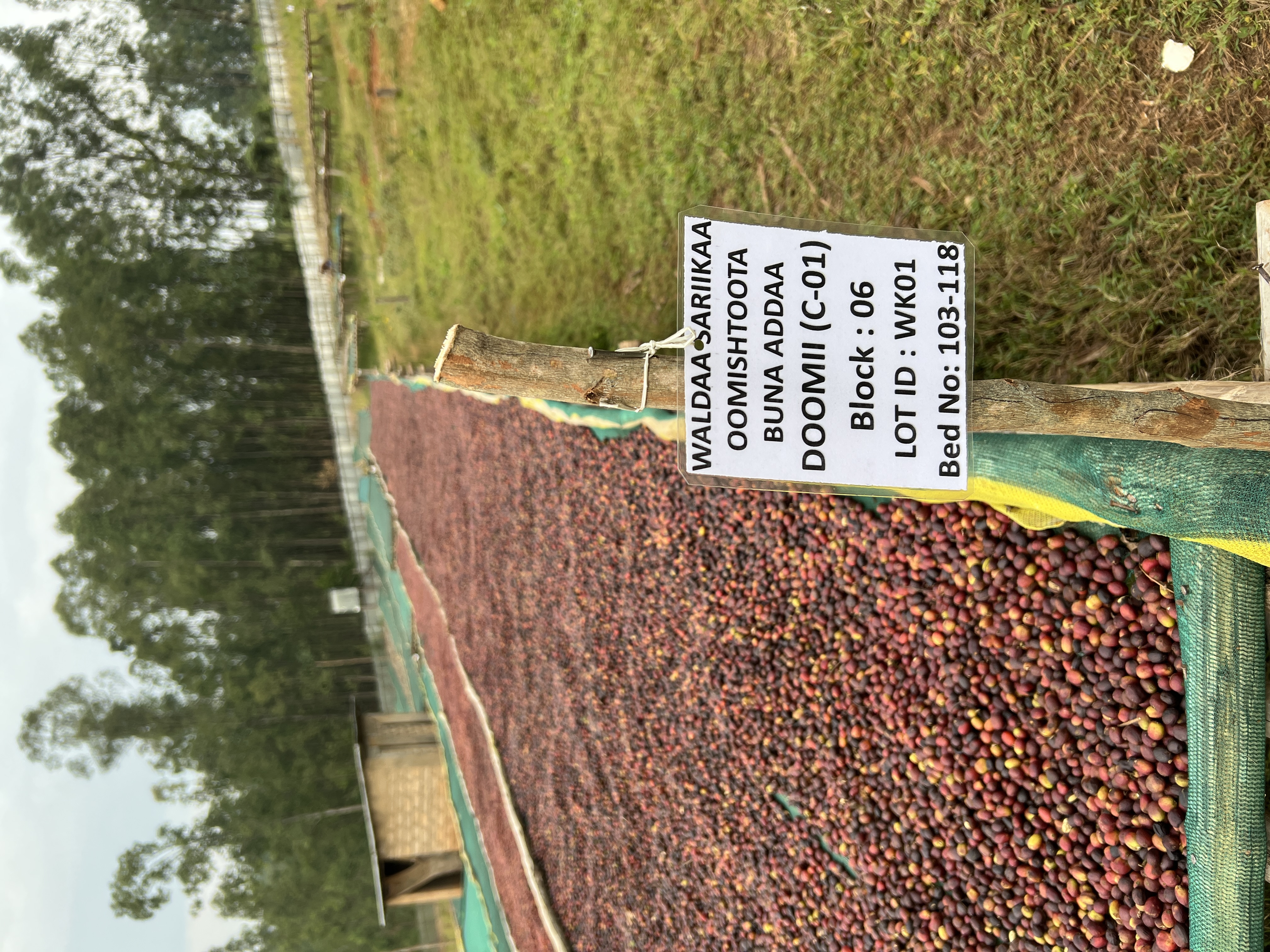
This is a natural process coffee: the ripe cherries are dried whole, fruit and all, before the seed is removed. Months of slow drying in the fruit give the bean a big, jammy sweetness that washed coffees rarely reach. We roast it light, dropping at 402°F, to keep that fruit front and center.
Expect boozy berry up front, then a raspberry and strawberry jam sweetness that settles into a rich brownie finish. It is bright without being sharp, and it cools beautifully, so do not rush the last few sips.
| Producer | Asikana, Buri farm and outgrowers |
| Region | Aira district, West Welega, Oromia, Ethiopia |
| Elevation | 1,500 to 1,700 meters |
| Process | Natural, Grade 1 |
| Roast | Light |
| Tasting notes | Boozy berry, raspberry and strawberry jam, brownie |
| Certifications | USDA Organic, Smithsonian Bird Friendly® |
| Importer | San Cristobal Coffee Importers |
A brewing tip: light-roasted naturals shine as pour-over. If a cup tastes sour or thin, grind a little finer or brew with slightly hotter water. If it tastes dry or bitter, go a little coarser. Small changes make a big difference with this one.
Ethiopia is on sale through September 30
Available in 12 oz, 2 lb, and 5 lb bags, whole bean or ground to order. Free shipping on US orders over $35.
Shop EthiopiaEvery bag of Big Year Coffee is Smithsonian Bird Friendly® and USDA Organic, which means every cup keeps forest standing for birds like the turaco and the hornbill. Learn more about Bird Friendly® coffee or browse all of our origins.